WBF Academy
Time Management & Productivity

Time Management & Productivity

Beginner

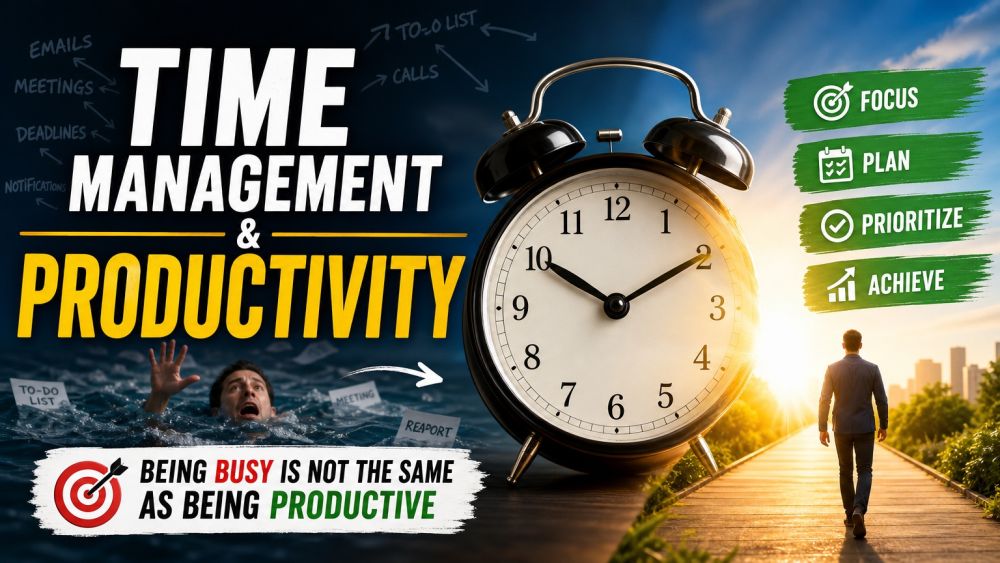
Being busy is not the same as being productive, and most of us are drowning in busy. This beginner course fixes that from the ground up — no apps to buy, no guru system to worship, just the core skills that let you get the right things done and still have a life. You will start by learning to set priorities: telling the urgent from the important, saying no without guilt, and spending your hours on what actually moves the needle. Then you will plan in a way that survives contact with a real day — realistic time estimates, time blocking, and a weekly review that keeps you ahead instead of behind. Next you will protect your focus: beating distraction and procrastination, working in deep-focus blocks, and managing the phone and notifications that fragment your attention. From there you will build habits that make good behavior automatic, so productivity stops depending on willpower. Finally you will tie it together with simple systems — a trusted task list, an inbox that reaches zero, and routines that run themselves. Throughout we favor tiny, sustainable changes over heroic overhauls. By the end you will end your days feeling in control instead of buried.

📋 5 tracks ❓ 250 questions 💡 20 tips 🎬 10 videos ⏱ ~5h

Videos

See all

Tracks

Productivity starts with choosing the right work, so this track is about priorities before anything else. You will learn to separate what is urgent from what is truly important, using simple tools like the Eisenhower matrix and the idea of a single most important task each day. We cover how to say no without guilt, how to protect time for high-value work, and why doing fewer things better beats doing everything badly. You will learn to spot the low-value tasks that fill your day and to align your hours with your actual goals. By the end you will decide what deserves your time before the day decides for you.

A good plan is the difference between reacting all day and running your day. This track teaches planning that works in the real world: estimating how long things really take, time blocking your calendar, and batching similar tasks so you stop switching. You will learn the weekly review that keeps you ahead, how to plan tomorrow the night before, and how to leave slack for the surprises that always come. We cover to-do lists that actually work and how to turn vague goals into scheduled, concrete next actions. By the end you will start each day knowing exactly what you are doing and why.

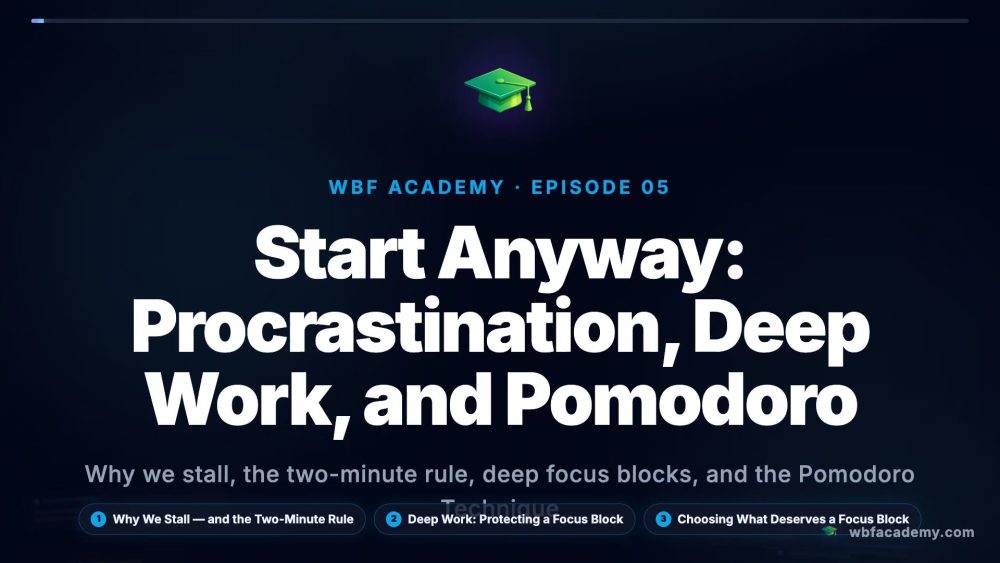
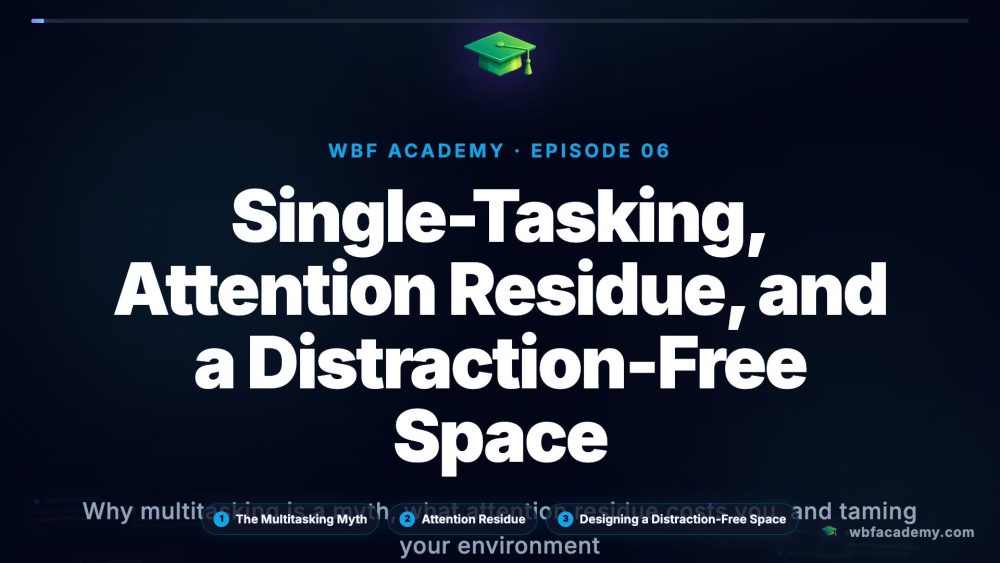
You can plan perfectly and still get nothing done if you cannot focus. This track is about defending your attention in a world built to steal it. You will learn why we procrastinate and practical ways to start anyway, how to work in deep-focus blocks using techniques like Pomodoro, and how to tame the phone, notifications, and open tabs that fragment your mind. We cover single-tasking over the myth of multitasking, designing an environment that makes focus easy, and recovering quickly when you get pulled away. By the end you will be able to drop into real, undistracted work on demand instead of hoping for it.

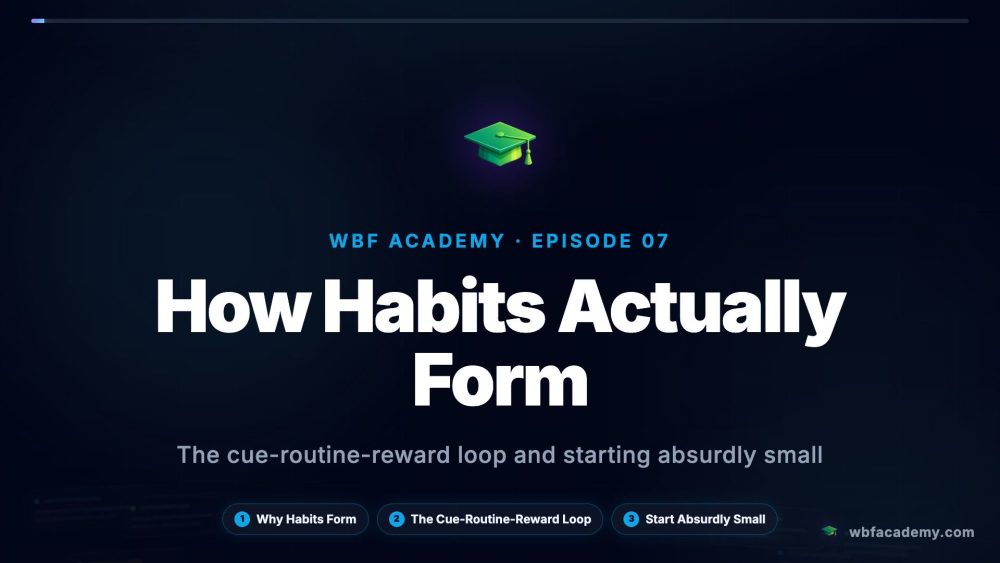
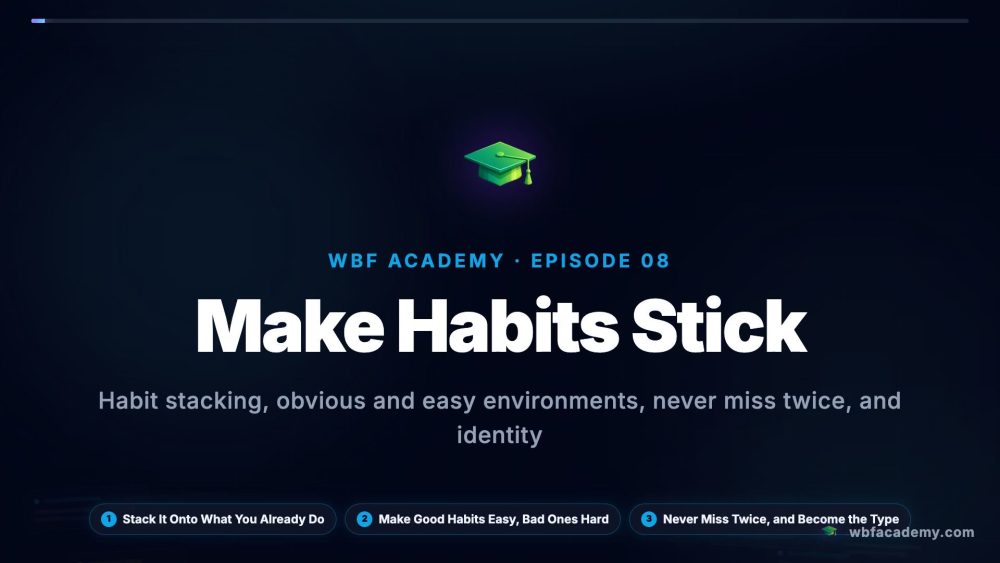
Willpower runs out, but habits run on autopilot — so this track makes your productivity a matter of habit, not heroics. You will learn how habits really form, the cue-routine-reward loop, and how to design tiny habits so small they are hard to skip. We cover habit stacking onto routines you already have, making good habits obvious and easy while making bad ones hard, and tracking progress without perfectionism. You will learn what to do when you miss a day (never miss twice) and how to build identity-based habits that actually stick. By the end you will have a method to install any productive routine and keep it.

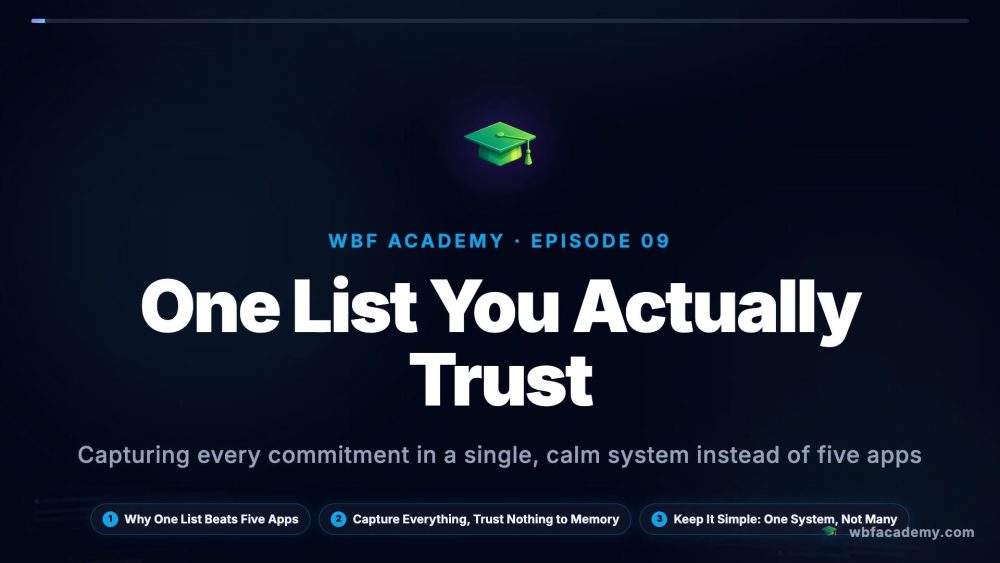
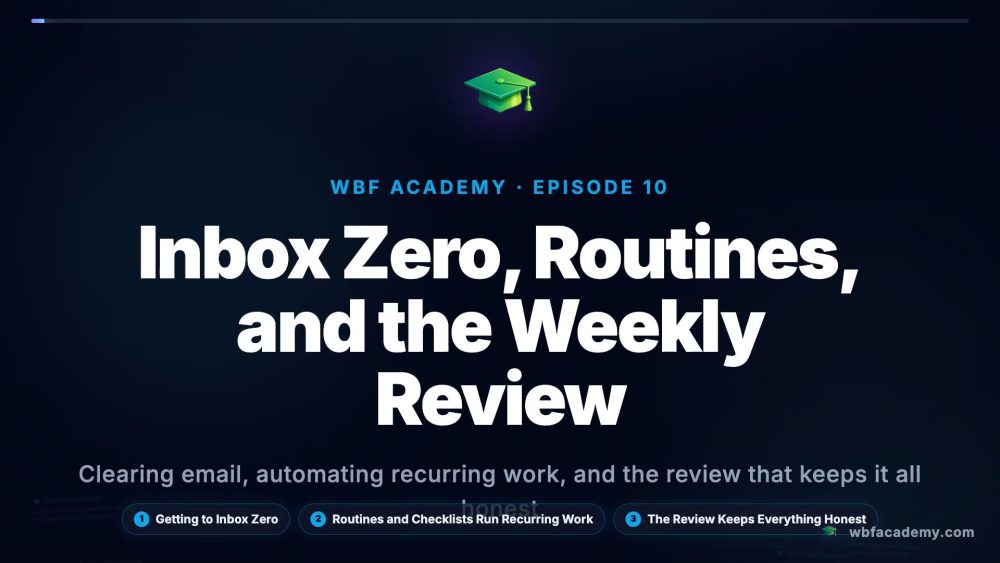
The final step is turning everything into systems so productivity does not live in your head. This track teaches simple, low-maintenance systems: a single trusted task list you actually check, capturing every commitment so nothing slips, and getting your inbox to zero without living in email. You will learn to build routines and checklists that automate recurring work, to review your systems weekly so they stay trustworthy, and to keep it all simple enough that you will actually use it. We favor one calm system over five shiny apps. By the end you will run a light, reliable setup that quietly keeps your work and life on track.

Certification Exam

🏆

Certification Exam

Time Management & Productivity

30
Questions
45m
Time Limit
% 70%
To Pass

All tracks · No time pressure to start

🏆

Certification Exam

Time Management & Productivity

#

30 Questions

All difficulty levels

45 Minutes

Auto-submits when time expires

%

70% to Pass

Earn your certification badge

No Going Back

Once you answer, you move forward

Tips

See all