WBF Academy
English Conversation

English Conversation

Beginner

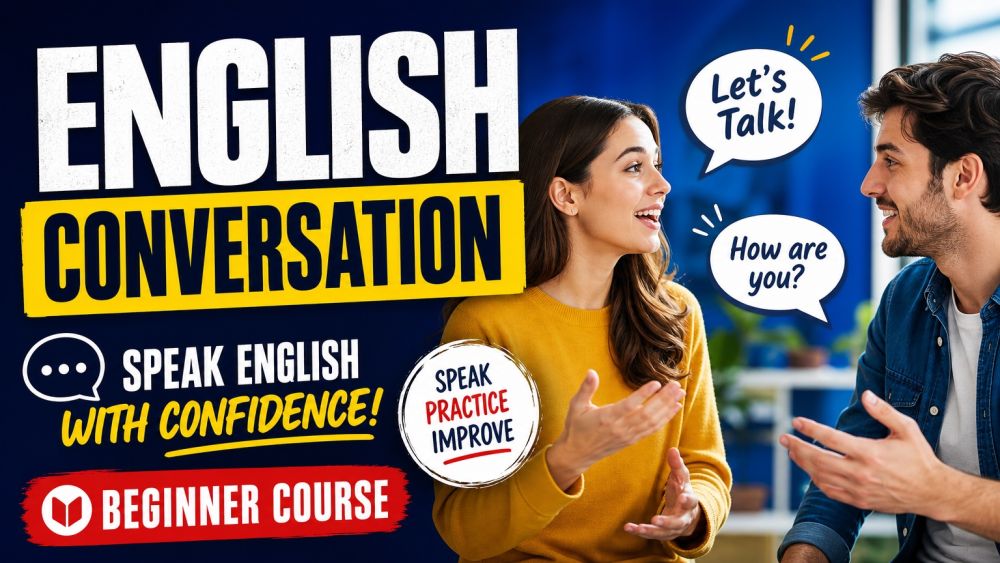
Understanding English on paper and actually speaking it are two different skills — and this beginner course is built entirely around the second one. It is for people who can read some English but freeze the moment they have to talk: on a call, with a stranger, at work, or while traveling. Instead of grammar drills, you collect ready-to-use phrases for the situations that come up every day — greeting people and making small talk, ordering and asking for help, giving your opinion, agreeing and disagreeing, and keeping a conversation alive when you do not know a word. You will train your ear to understand fast native speech, learn to pronounce clearly enough to be understood, and pick up the little fillers and reactions that make you sound natural. Every lesson is judgment-free and focused on being understood rather than being perfect. By the end you will hold a real English conversation with far less fear and far more confidence.

📋 5 tracks ❓ 250 questions 💡 20 tips 🎬 10 videos ⏱ ~5h

Videos

See all

Tracks

Most real English is not complicated — it is a small set of the same phrases used over and over. This track hands you that core kit: how to greet people and reply naturally, make small talk about the weather, weekend, and work, order food, ask for directions and help, and say please, sorry, and thank you the way natives actually do. You will learn easy ways to start and end a conversation, ask how someone is and answer back, and fill silence while you think. You will also see the difference between polite and casual, so you match the moment. By the end you will handle the everyday exchanges that happen dozens of times a day without hesitating.

You do not need a perfect accent — you need to be understood the first time, without repeating yourself. This track focuses on the sounds, stress, and rhythm that actually change whether people follow you. You will practice the English sounds that do not exist in your language, learn which syllable to stress so words come out right, and use sentence rhythm and pausing to sound calm and clear instead of rushed. You will pick up the connected-speech tricks natives use, and simple fixes for the mistakes that cause the most confusion. You will also build the confidence habits — slowing down, speaking up, and not apologizing for your English. By the end you will speak clearly enough that conversations flow instead of stalling.

Work is where clear English pays off fastest — and where hesitation costs the most. This track gives you the practical language of the modern workplace: introducing yourself and your role, joining a video call and greeting the room, giving a quick update, asking a question, and agreeing or pushing back politely. You will learn phrases to ask someone to repeat or slow down, to buy a second to think, and to interrupt without being rude. You will also handle short professional messages — a clear request, a follow-up, a quick reply — and the difference between formal and friendly tone. By the end you will take part in everyday work conversations in English instead of staying silent and hoping no one calls on you.

Travel throws real English at you fast — at the airport, the hotel, the restaurant, and the taxi — and this track prepares you for all of it. You will learn the exact phrases to check in and through security, ask for and follow directions, order and pay, book a room, and handle a problem when something goes wrong. Then you move into the social side: introducing yourself, making friends, accepting and declining invitations, and the small talk that fills a dinner or a party. You will pick up polite requests, useful questions, and how to react when you do not catch everything. By the end you will travel and socialize in English comfortably, getting what you need and enjoying the people you meet.

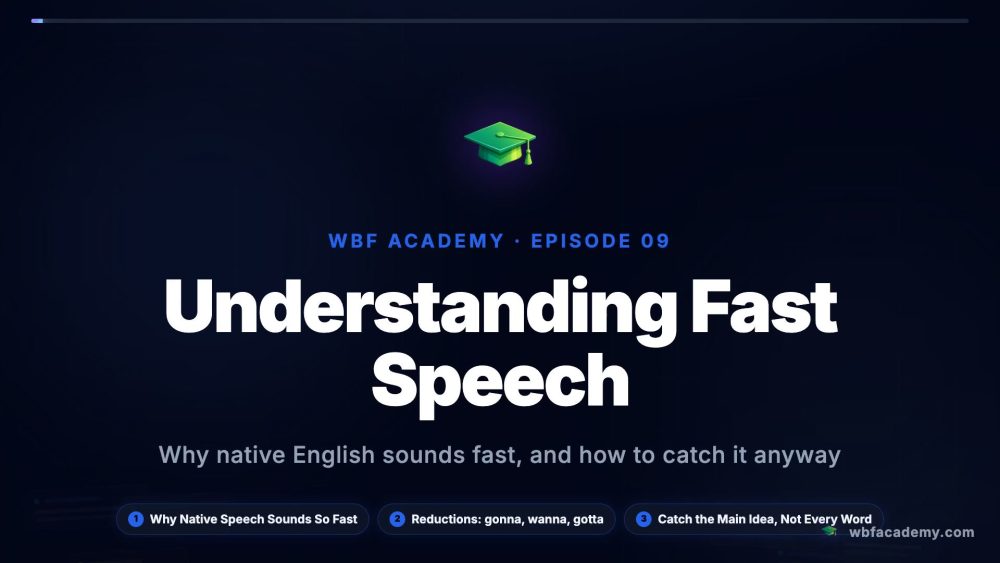
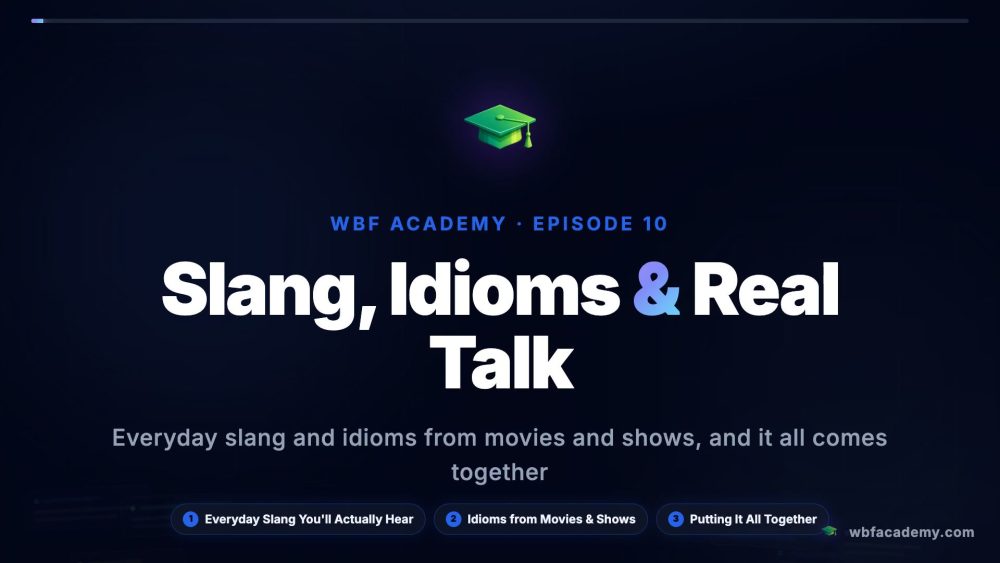
The biggest shock for learners is not speaking — it is that native English sounds nothing like the textbook. People talk fast, blend words together, drop sounds, and fill every sentence with slang and idioms. This track trains your ear to keep up. You will learn why native speech sounds so fast and how to decode it, the most common reductions and linking, and the everyday slang and idioms that appear in movies, shows, and real chats. You will practice catching the main idea even when you miss words, and the polite phrases to ask someone to repeat or explain. By the end you will understand real, natural English — on calls, on screen, and in the street — instead of only the slow, careful version.

Certification Exam

🏆

Certification Exam

English Conversation

30
Questions
45m
Time Limit
% 70%
To Pass

All tracks · No time pressure to start

🏆

Certification Exam

English Conversation

#

30 Questions

All difficulty levels

45 Minutes

Auto-submits when time expires

%

70% to Pass

Earn your certification badge

No Going Back

Once you answer, you move forward

Tips

See all